Reserve Bank of India (RBI) has proposed a significantly stricter framework to regulate loan recovery practices and curb coercive methods used by recovery agents and lenders.
The central bank on Thursday released draft directions titled Conduct of Regulated Entities in Recovery of Loans and Engagement of Recovery Agents and invited public comments on the proposed framework.
The draft norms aim to strengthen borrower protection while tightening oversight on recovery operations conducted by banks, non-banking financial companies (NBFCs) and digital lending platforms operating in partnership with regulated entities.
Industry experts believe the proposed rules could have a major impact on India’s fast-growing digital lending ecosystem, particularly instant loan applications and fintech-driven credit platforms.
RBI Targets Harassment And Coercive Practices
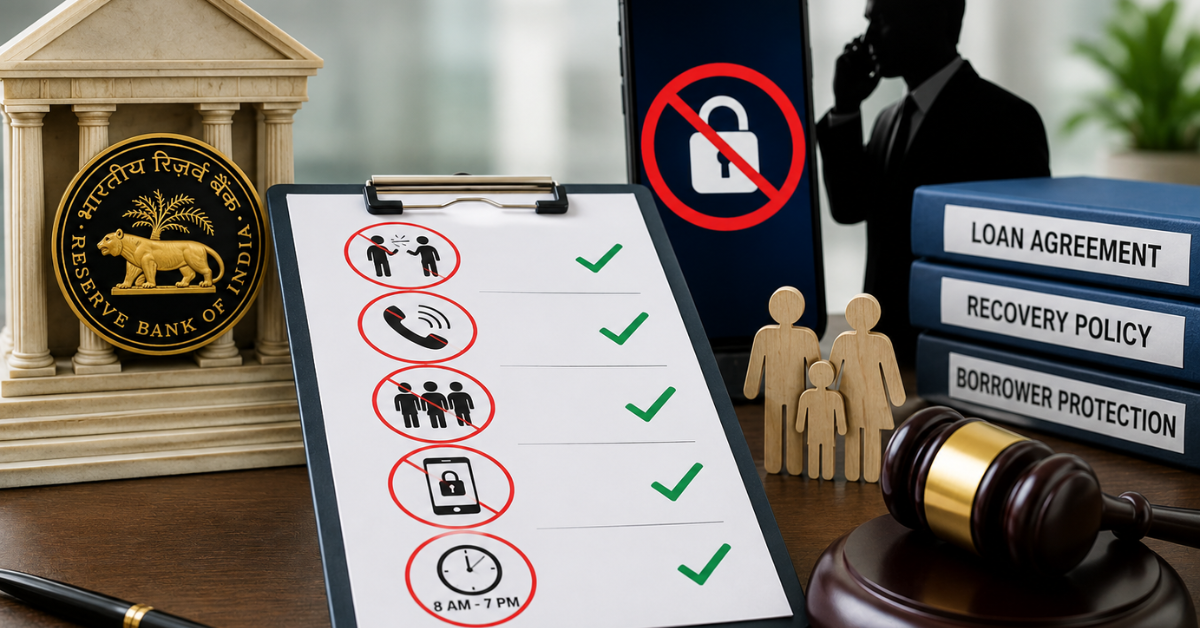
Under the proposed framework, lenders and recovery agents will be prohibited from using intimidation, threats, abusive language or public humiliation while dealing with borrowers.
The RBI has specifically barred the use of social media platforms to shame or pressure borrowers during recovery proceedings.
The move comes amid rising complaints regarding aggressive recovery tactics adopted by some lenders and outsourced collection agencies in recent years.
The draft rules also place restrictions on how and when recovery agents can contact borrowers.
According to the proposal, recovery personnel will only be allowed to contact borrowers between 8 AM and 7 PM unless explicitly permitted otherwise by the borrower.
The framework additionally seeks to prevent repeated or excessive calling practices.
Recovery agents will also face restrictions on contacting borrowers’ family members, friends or colleagues, a practice that has often drawn criticism from consumer rights groups and regulators.
Digital Lending Platforms Likely To Face Greater Scrutiny
The proposed norms are expected to impact several digital lending and instant loan applications operating through partnerships with RBI-regulated banks and NBFCs.
Over the past few years, concerns have grown regarding predatory lending practices, data misuse and coercive recovery behaviour within parts of the digital lending sector.
The RBI has already introduced multiple regulatory measures aimed at improving transparency and consumer protection in digital lending.
Industry experts believe the latest framework represents another step toward formalising recovery standards across India’s expanding fintech ecosystem.
Recovery Agents Must Be Properly Trained
The central bank has also proposed stricter standards for the engagement and monitoring of recovery agents.
Under the draft framework, regulated entities will be required to ensure that recovery personnel are properly trained and certified through recognised institutions.
Lenders will additionally need to maintain stronger oversight over outsourced recovery operations.
The proposed norms require financial institutions to establish board approved recovery policies along with structured grievance redressal mechanisms for borrowers.
Analysts say the move could increase compliance requirements for banks and NBFCs while improving accountability across recovery operations.
RBI Moves To Regulate Smartphone Blocking Practices
One of the most significant proposals in the draft framework relates to the disabling or blocking of financed smartphones by lenders.
In recent years, some digital lenders have used technology-based controls to remotely disable devices linked to unpaid loans.
Under the RBI’s proposed norms, financial institutions will not be allowed to block borrowers’ smartphones unless such conditions are explicitly mentioned in the loan agreement and proper notice has been provided to the borrower.
Even when device restrictions are permitted contractually, essential services such as incoming calls, emergency communication and alerts must continue functioning.
Industry observers believe this provision directly addresses growing concerns around digital lending practices where borrowers were sometimes left without access to critical phone functions.
Borrower Protection Becomes Central Focus
The RBI said the proposed framework is aimed at promoting fair recovery practices across regulated financial entities while strengthening consumer safeguards.
Financial sector experts believe the central bank is attempting to create a more balanced recovery ecosystem where lenders can recover dues without violating borrower dignity or privacy.
The proposed framework also reflects broader regulatory efforts to improve trust within India’s rapidly growing credit and fintech markets.
Fintech Sector Faces Regulatory Tightening
India’s digital lending sector has expanded rapidly over the past few years due to rising smartphone penetration, fintech innovation and growing consumer demand for instant credit.
However, the sector has also faced criticism over opaque lending terms, data privacy concerns and aggressive collection tactics.
The RBI has increasingly tightened regulations around digital lending, outsourcing arrangements and consumer protection standards.
Industry analysts believe the latest recovery norms could force lenders and fintech firms to redesign operational practices, strengthen compliance systems and improve transparency in borrower interactions.
The draft directions are currently open for public feedback before the RBI finalises the framework.